maybe love is in the past
/ by rubbie kelvin
originally published externally. read the original
The idea of love in the world we live in today feels almost laughable, as though something once luminous has been left out in the rain too long, watered down until it scarcely holds the depth and gravity it carried in the past.
I know I’m opening with a bold claim, perhaps even a provocative one, but the evidence surrounds us in the stories we consume, the glossy romantic movies, the best selling novels, the endless reels of perfect moments. Maybe it’s unfair to lay the blame entirely at the feet of media. After all, throughout human history we have gently reshaped grand ideas until they glow in ways that please our eyes and seduce our ears. A diamond ring becomes the unspoken proof that you truly love her. An expensive wedding isn’t just a celebration, it must become the talk of the town, a spectacle remembered long after the flowers wilt.
We’ve invented metrics for romance, little scorecards running from “barely romantic” to “storybook perfection”, as if love could be quantified like a restaurant review. Yet as life unfolds, through quiet mornings, ordinary arguments, shared silences, we discover how flawed those measurements truly are. They collapse under the weight of reality.
So what, then, is love? How do we truly show it? When does it feel unmistakably real, and why does it slip away even when everything appears flawless on the surface? To be honest, I don’t have all the answers, i don’t think i’m the right person the answer these, and i might not even answer this questions in this piece. But it’s 2am and i feel like writing, so here we are.
What’s going on
Why am i suddenly writing about love? Well, it started with a couple of late night watches that hit me harder than expected.
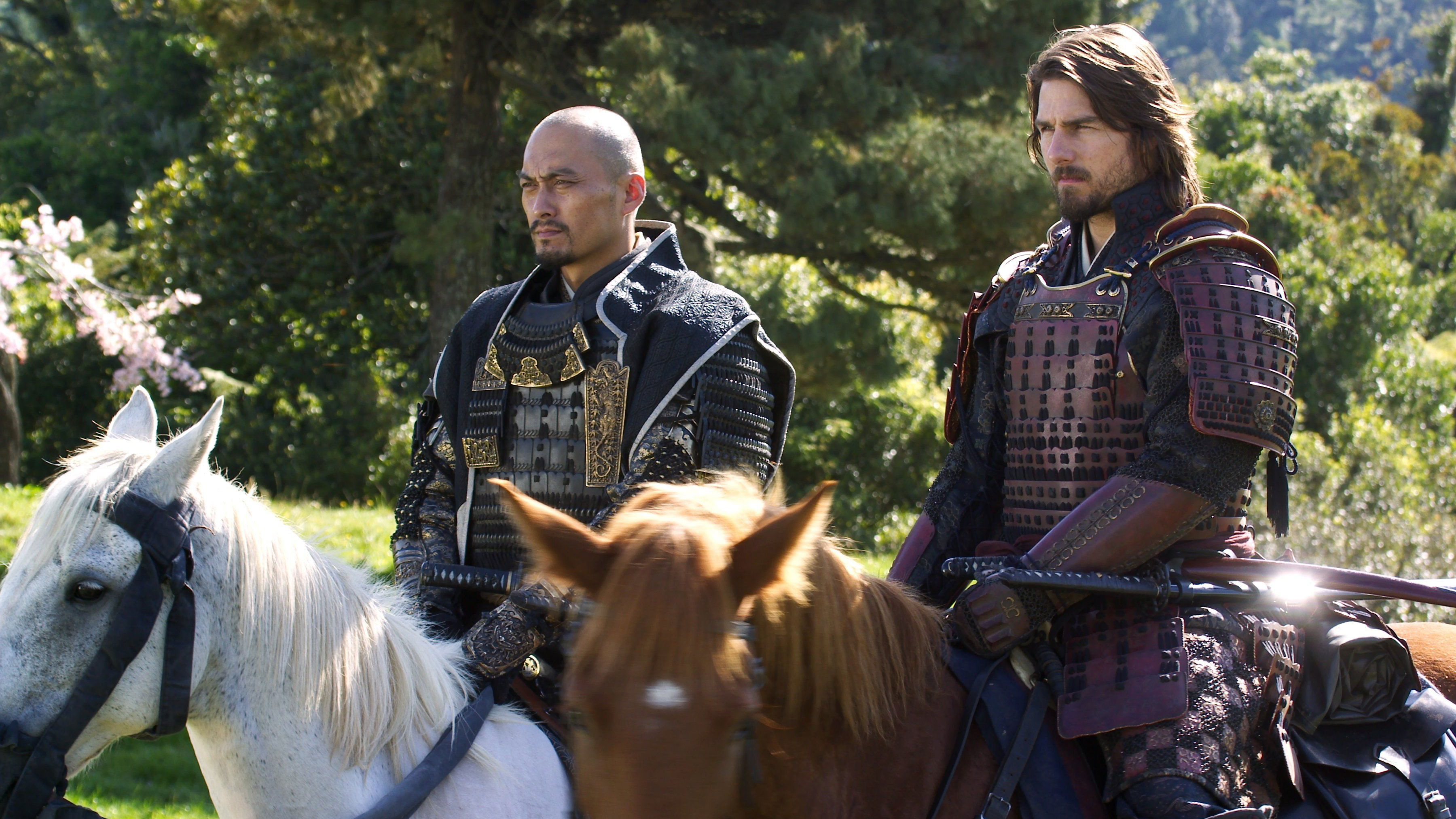
Last night I watched Top Gun: Maverick (2022), and man, it was absolute cinema pure adrenaline, heart, and that perfect Tom Cruise energy. Then tonight I put on The Last Samurai (2003), and oh boy, I was completely sold. I don’t know the exact global ratings this movie pulled in, but I’d give it five stars in a heartbeat without hesitation. Enough review, what really got me?
In the film, Nathan Algren, the American captain hired to train the Japanese army in modern warfare, ends up undergoing one of the most intense character transformations you’ll see on screen. He starts as an outsider, a hired gun enforcing a new order, only to find himself drawn into the very world he was sent to help erase. By the end, he’s fighting shoulder to shoulder with the people he once called enemies, defending a way of life that’s slipping away.
Love is hard.
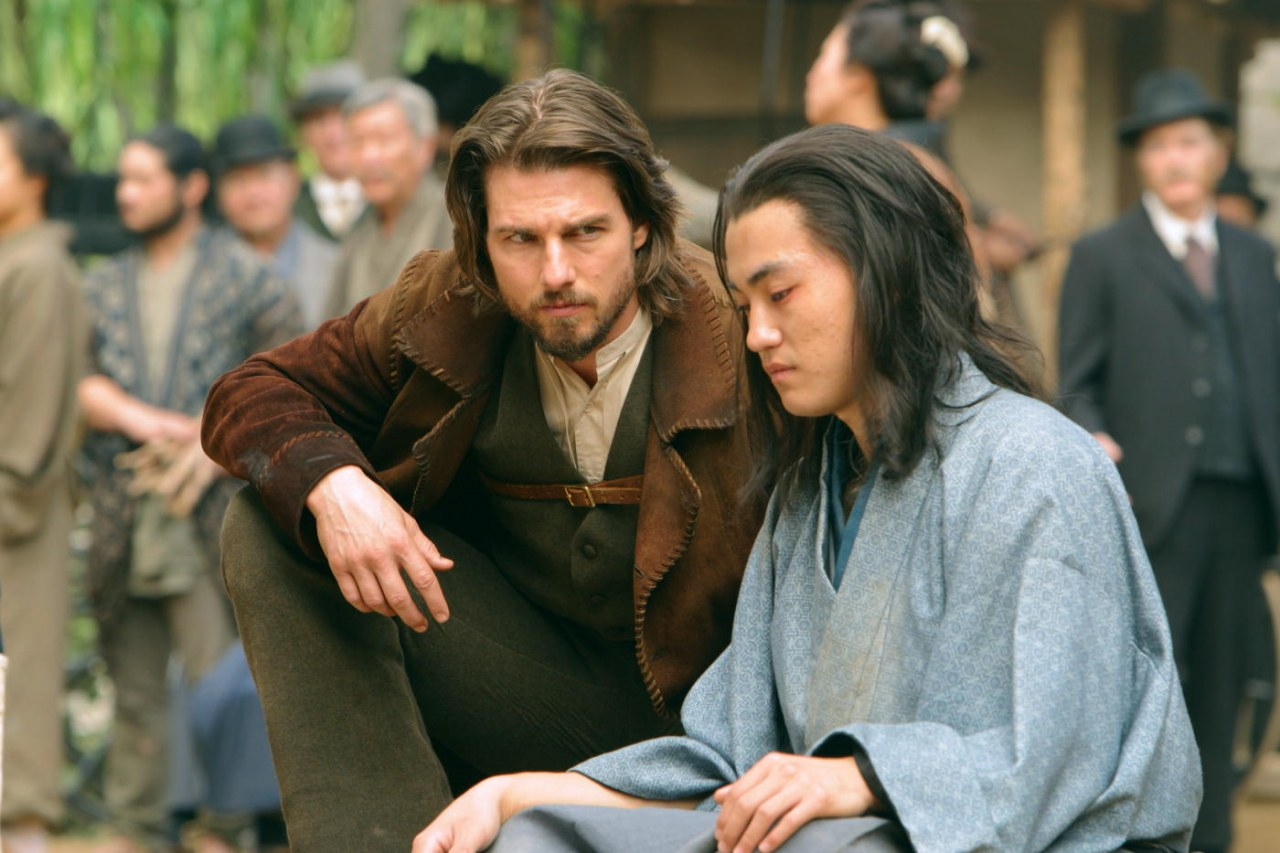
Love is hard. It doesn’t arrive wrapped in ease or instant clarity. It demands we confront ourselves first, then reach outward through layers of pain, discipline, and quiet endurance.
It begins with love for self, truly seeing that you are worthy of love, even when your past is stained, and accepting it when it appears without pushing it away. In the film, the captain carries the weight of having killed a samurai in battle, a man who turns out to be the husband of the woman now tasked with sheltering and caring for him. He could have drowned in self loathing and guilt, refusing any kindness as undeserved punishment. Instead, he chose to receive the gentleness offered by the widow, her family, and the village. That acceptance of forgiveness he didnt earned, of care he felt he didn’t merit, became the foundation. Only then was he able to give love back in return, slowly rebuilding what shame had broken inside him.
From there, love extends beyond the self to embrace others through their culture, their societal ways, their deepest values. The captain begins to notice the quiet beauty in how the people live.. rising each morning not only to survive, but to perfect whatever task or craft they’ve set their minds to. Politeness holds steady even when heavy emotions simmer beneath the surface; the widow, for instance, carries profound grief yet meets each day with grace and restraint. Their entire way of life is guided by discipline, a steady commitment to principles that shape every action, every interaction. Love like this isn’t romantic infatuation, it’s a deliberate choice to honor and adopt something larger and older than oneself, something worth the daily effort to understand and embody.
Maybe love also stems from grief and the aching desire for companionship. Absence creates a void, and sometimes another person begins to fill it, not as a replacement, but as a presence that softens the edges of loss over time. Forced proximity plays its part. Grief doesn’t vanish, but it evolves. In the quiet moments, leaning into that new presence becomes possible. Nn act of survival as much as affection, born from what was lost and what remains.
And love grows from brotherhood and respect, forged often in adversity rather than ease. The samurai leader shows mercy at first, sparing the captain when death would have been simpler. He respects the resilience he sees the ability to rise after every blow, to keep standing. That respect grants freedom within the village, then full freedom when winter ends. Their bond deepens through shared trials.. night time assassins testing loyalty and skill, battles where trust is proven in action. What begins as wary adversaries becomes something closer to brotherhood, rooted in mutual recognition of strength and honor. In the end, after fighting side by side, the leader chooses to end his life with dignity, asking the captain to witness it, not as a stranger, but as one who truly understands the weight of that final act.
Love is hard because it requires all of this. It rarely feels easy or immediate. But when it takes root through these quiet, disciplined efforts, it endures in ways the fleeting versions never can.
Bye <3